September 6, 2026
Each month, the team at DietitianCEU.com features one nutrition professional as our Dietitian of the Month, giving us the chance to learn from the people doing the work, day in and day out. We believe some of the best inspiration comes from one another—from hearing about different career paths, fresh ideas, challenges overcome, and lessons learned along the way. Through their stories, we hope you’ll discover something that sparks an idea, shifts your perspective, or inspires you to grow in your own career.
We recently had the opportunity to sit down with Bethany Squillante, MS, RD, CSP, LDN, who is a Lead Clinical Dietitian at the Children’s Hospital of Philadelphia (CHOP) where she has been part of the team since 2011. Bethany earned both her bachelor’s and master’s degrees in Nutrition from The College of Saint Elizabeth and completed her dietetic internship at the University of Virginia Health System. A Certified Specialist in Pediatric Nutrition since 2015, Bethany specializes in pediatric oncology, bone marrow transplant, and nutrition support. She is passionate about guiding children and their families through complex nutrition needs during treatment and recovery. Beyond patient care, Bethany enjoys mentoring fellow dietitians and trainees, contributing to professional education, and helping advance pediatric nutrition practice through quality improvement initiatives, presentations, and publications. She is proud to have spent her entire dietetics career at CHOP and values the opportunity to make a difference for patients, families, and colleagues each day.
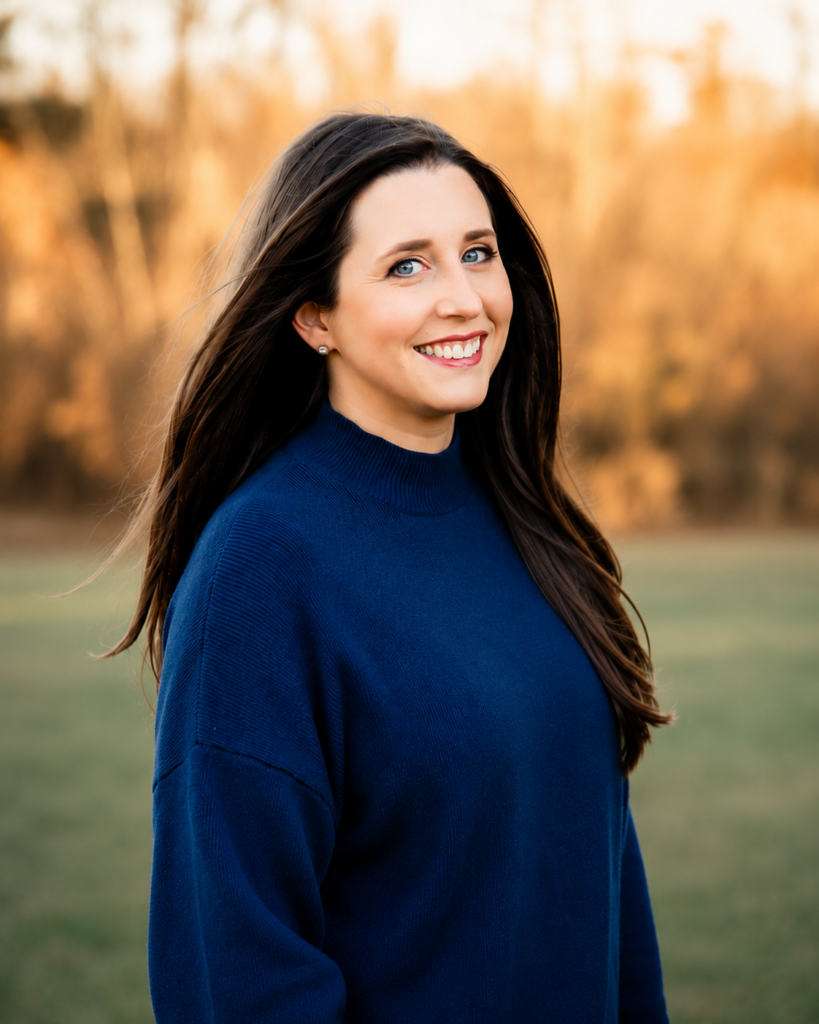
Hello Bethany Squillante, MS, RD, CSP, LDN! Welcome to the Dietitian of the Month interview.
So, for how long have you been practicing as an RD, and what is your specialty?
I have been a dietitian for 15 years, all of which have been in the field of pediatrics at Children’s Hospital of Philadelphia. For the past ten years, I have been working with pediatric oncology patients.
What inspired you to become a dietitian?
While I was in college, I realized I was drawn to a wide range of interests, including health and sciences, writing, teaching, and counseling. Bringing all of those interests together in a career as a registered dietitian felt like a puzzle finally falling into place. The more I learned about the profession and the impact dietitians can have on their patients’ lives, the more confident I became that this was the right path for me. I have always enjoyed working with children, and I knew pediatric nutrition was where I wanted to focus my career.
On your journey to become a dietitian, what obstacles did you face and how did you overcome them?
One obstacle I encountered on my journey to becoming a dietitian was deciding to switch my major to Nutrition midway through my sophomore year of college. While I was excited to pursue a career that aligned so well with my interests, I had to quickly catch up on prerequisite coursework in order to stay on track for graduation. This required taking heavier course loads, often exceeding 18 credits per semester, as well as completing classes during summer and winter breaks. It was a demanding schedule, but my commitment to pursuing a career as a dietitian and my determination to graduate on time motivated me to work hard and stay on track. This also gave me confidence in my ability to work toward long-term goals even when the path is not always straightforward.
Looking back, what advice would you have given to the younger version of yourself, who was just getting started in this profession?
I would encourage the younger version of myself to stay on top of documenting my CPEUs for CDR – trying to play catch-up at the end of a five-year period is much more stressful than keeping up with it along the way! I also would encourage my younger self to continue putting myself out there and building professional connections, even when it feels intimidating.
Some of the most meaningful opportunities in my career, including collaborations on publications, presentations, and projects, have come through relationships with colleagues and mentors. I would also remind myself to keep in touch with those connections. You never know when a former colleague or acquaintance may become a valuable resource, sounding board, or partner in a future opportunity. Building and nurturing your professional network can have a lasting impact on both your career growth and the contributions you make to the profession.
What are specific roadblocks to watch out for as a new dietitian?
One roadblock I encourage new dietitians to watch out for is becoming too comfortable too quickly. It can be easy to settle into a routine and focus only on completing your daily responsibilities. While that may feel safe, growth often happens when you step outside your comfort zone. Whether it’s taking on a new project, joining a workgroup, or learning a new clinical area, those opportunities can help build confidence and expand your work skills. Some of the most rewarding experiences in my career have come from saying “yes” to challenges that initially felt intimidating.
Share a recent success story you had with a patient. What nutrition interventions did you use to help them achieve results?
I am so privileged to work through nutrition challenges with patients and families every day. One recent success story involved a young patient who had completed cancer treatment and was struggling to transition back to eating by mouth after several months of relying on tube feeding due to treatment-related side effects. The family was eager to return to a sense of normalcy, and the feeding tube had become a continued reminder of their child’s cancer journey. Through comprehensive nutrition assessment and ongoing counseling, I helped the family understand the barriers their child was facing, including appetite loss, taste changes, and mealtime anxiety.
Together, we developed a gradual, individualized plan that focused on creating a positive, low-pressure mealtime environment while carefully monitoring growth and nutritional status. Nutrition interventions included family-centered education, behavioral feeding strategies, and stepwise reductions in tube feeding support as oral intake improved. By partnering closely with the family and providing practical, achievable goals, the parents felt empowered to support their child’s progress at home. Over time, the child successfully transitioned to full oral intake, maintained appropriate growth, and was able to happily participate in family meals again. This experience was especially rewarding because it demonstrated how nutrition care can support not only physical recovery, but also a family’s confidence and quality of life after treatment.
Which work or educational experience do you feel impacted you and how you practice as an RD today?
I have been fortunate to learn from many educators and mentors throughout my journey to becoming a dietitian. My professors at College of Saint Elizabeth (now Saint Elizabeth University) were invested in my success and provided unwavering support and encouragement as I pursued my goals. My dietetic internship at the University of Virginia Health System was particularly impactful – the program was both clinically rigorous and highly supportive, challenging me not only to build my knowledge but also to apply it confidently in patient care. In many ways, I have modeled my own approaches to patient care and mentoring after the experiences I had during my internship.
Describe a work experience or personal story that allowed you to see the practice of dietetics in a new light.
While my education and training taught me the science of nutrition, several life experiences helped me see dietetics in a new light. Early in my career, I realized that communication, empathy, and relationship-building are just as important as clinical knowledge. It’s so helpful to build trust and confidence within a multidisciplinary medical team to raise nutrition concerns and clearly share recommendations, or to be able to sit and listen to a family’s concerns and tailor the discussion to their priorities and needs.
Becoming a parent has given me an even greater appreciation for the realities of feeding children and balancing nutrition goals with day-to-day family life. These experiences reinforced that successful nutrition care is not about creating the perfect plan, but about understanding each family’s unique challenges and helping them find practical, sustainable solutions. That perspective continues to shape how I care for patients and families today.
Tell us about some foods or nutrition strategies you find yourself consistently recommending to your patients, friends, and colleagues. What do you feel makes these foods and practices so helpful?
A cornerstone of my practice is helping my patients and families reduce stress and emotion around eating, which can feel very difficult since my oncology patients often do not feel like eating. I find myself using Ellyn Satter’s principles about the Division of Responsibility in Feeding when I am discussing how to support a child’s nutrition.
These strategies can help reset the heightened emotions that can be associated with mealtimes, support children to feel less pressured, and also guide a patient start to recognize and trust their own hunger and satiety signals again. Similarly, I try to move away from labeling foods as “good” or “bad” and instead discuss the role different foods play in nourishing us and bringing enjoyment. Trying to keep these messages simple and clear can reduce the stress and noise that can come from many directions. These same principles often guide the conversations I have with friends, colleagues, and families because they promote a healthier and more balanced relationship with food.
Sometimes, the best resource for improving our skills is by learning from the other Registered Dietitians or Dietetic Technicians that we meet along our professional journey. What is one thing you learned from a fellow dietetic professional that has helped you in your professional growth, or in your care for patients?
I have been so fortunate to work at an institution with so many dietitians who are willing to share their wealth of nutrition knowledge. Early on, many of the more senior dietitians at CHOP supported me either by sharing their perspective on a complex patient situation, pointing me toward a valuable resource, or inviting me to collaborate on a project. Those interactions have had a lasting impact on my professional growth, teaching me that being a great dietitian is not just about individual expertise but also about learning from and supporting one another. I strive to carry that lesson forward by mentoring and creating opportunities for others to learn and grow. I believe that fostering a culture of collaboration and shared learning ultimately benefits both our profession and the patients we serve.
What daily habits or routines help you feel your best—both personally and professionally?
Professionally, I am a creature of habit. I tend to have the same morning routine, starting my day off with a breakfast of protein and fruit (and coffee!) while I screen through my patients and organize my day. I use my train ride home to decompress, listen to music or an audiobook, and transition from work mode to family time.
Personally, an after-dinner walk always helps me recharge, clear my mind and spend time with my family and dog.
What’s a popular food or nutrition trend you’re seeing lately, that you just can’t get behind?
One nutrition trend I struggle to get behind is the popularity of social media “What I Eat in a Day” videos. While they can be entertaining, they often imply that a single way of eating is appropriate for everyone; in reality, nutritional needs vary widely based on age, health conditions, activity level, personal preferences, and many other factors. I would caution against trying to follow someone’s habits just because you admire their style or physique, especially if they do not have formal nutrition training.
Additionally, I always encourage people to consider if the content creator is being compensated to promote a particular product or dietary approach. I believe people are better served by seeking nutrition information from qualified professionals that will focus on individualized strategies for their unique needs and goals.
If you could have dinner with any chef, food writer, or nutrition professional, who would it be?
There is a 2-way tie here – The food science enthusiast in me has always been fascinated by Alton Brown – his way of highlighting the science behind culinary skills makes me think a meal with him would be both entertaining and enlightening. For a classic, delicious meal and great atmosphere, you probably couldn’t beat dinner with Ina Garten.
What are you most proud of thus far in your professional journey?
One of the aspects of my career that makes me most proud is being recognized as a trusted collaborator and subject matter expert. Knowing another individual sees me as an expert and values my input feels like a great reminder of my accomplishments and potential. Co-authoring the pediatric oncology and hematopoietic stem cell transplant chapter in the ASPEN Pediatric Nutrition Support Core Curriculum, 3rd Edition was a proud accomplishment because it reflected the trust of respected colleagues and provided an opportunity to contribute to a resource that supports dietitians.
What is your definition of success?
My definition of success, put simply, is making progress. I don’t believe success is a destination, but rather part of a journey. Many smaller, positive changes can add up to a bigger, impactful outcome. I feel most successful when I am accomplishing goals that will lead to impactful improvements. When working with patients and families, I define success as finding meaningful changes that they feel they are able to implement, and we start to see positive outcomes from their efforts.
What’s one food you could happily eat every day?
Granny Smith apple with Nutella.
What’s the best piece of non-nutrition advice you’ve ever received?
Maintain balance – this is something I’m still working on. It can be easy to devote so much time and energy into your career that other important areas of life, including your wellbeing, relationships, or family time, take a back seat. As someone who tends to be a perfectionist, I can easily spend countless hours trying to make a project as strong as possible. Over time, I’ve learned that striving for excellence is important, but so is recognizing the value of my time and setting healthy boundaries. Maintaining balance allows me to be more present, effective, and fulfilled both professionally and personally.
If you could have a billboard with anything on it, what would it say?
I would want a billboard to include my personal and professional mantra: “We Rise by Lifting Others.” I think this can apply to so many situations and is a great reminder that when we invest in and support one another, everyone benefits.
What is something people would be surprised to learn about you?
People may be surprised to learn that I am a lifelong swimmer. I started swimming competitively at a very young age and continued through college, and it’s still my favorite way to move my body and relax my mind. You’ll often find me at the local Y swimming 5,000-6,000 yards at a time. Every once in a while, I can be talked into completing a triathlon with friends.
Rapid fire questions!
Early bird, or night owl? Completely depends on the day!
Tea or coffee? Coffee.
Fruit or Vegetables? Fruit.
Sweet or Savory? Sweet.
Follow a recipe, or improvise? Loosely follow a recipe (unless I’m baking – then definitely follow!).
Farmers market, or grocery delivery? I love to wander a farmers market.
Instagram or Facebook? Instagram (but I try to limit my time on social media)
Top 3 Favorite Books? so difficult to answer – I read 40-50 books a year and picking favorites on the spot is hard!
Where can other RDs, DTRs, students, and patients go to learn more about you and your work?
Clinical Nutrition | Children’s Hospital of Philadelphia
Bethany Irven Squillante, MS, RD, CSP, LDN – The Children’s Hospital of Philadelphia | LinkedIn
ASPEN pediatric nutrition support core curriculum – National Library of Medicine Institution